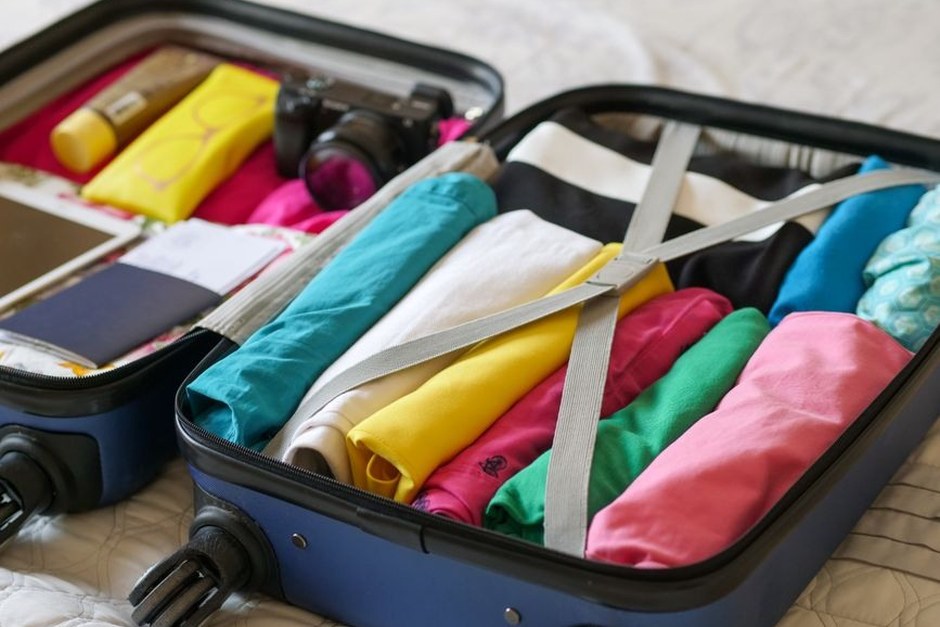
A two-night trip is short enough to travel lightly and long enough to expose every unnecessary thing you packed. The useful goal is not to make the smallest bag possible. It is to carry a small set of things that work together so well that you stop thinking about them once the trip starts.
Start with the weather, not the wardrobe
Before choosing clothes, check the actual range of conditions: the coolest evening, the warmest afternoon and whether rain is likely. That gives you a job list. You need something comfortable for walking, a layer for the coldest hour, and a simple answer to wet weather. Once those jobs are covered, extra outfits rarely add much.
For most mild-weather weekends, I pack two tops, one spare base layer, one pair of trousers already chosen for travel, and a light overshirt or knit that can be worn more than one way. Sleepwear and fresh socks take almost no mental energy, so they go in next. The important part is that every larger item can appear twice without feeling like a compromise.
Let the shoes decide the shape of the trip
Shoes consume space faster than almost anything else. If the plan is town streets, a museum, a long lunch and a gentle trail, I try to wear one pair that can handle all four. A second pair only earns a place when the activities genuinely demand it.
This sounds restrictive until you notice the benefit: the bag stays soft enough to fit under a seat, and there is no morning debate about what goes with what. You leave the room faster and spend more time outside it.
Keep the small things in one place
Chargers, a pen, earphones, plasters, lip balm and keys are not heavy, but they are excellent at disappearing. I use one small zip pouch for the objects that otherwise migrate between coat pockets and the bottom of the bag. Toiletries get a second, even smaller pouch. The separation makes packing up a hotel or guest room much easier because there are only a few places to check.
A reusable water bottle travels empty, and I carry a thin tote that can become a market bag, laundry bag or extra layer between a camera and the rest of the luggage. Items that can change jobs are far more valuable on a short trip than specialized gear.
Leave a deliberate gap
The most useful part of a weekend bag is often the space you do not fill. A quarter-empty bag can take a book bought on the way home, a sweater removed when the day warms up, or a paper bag from a bakery without becoming awkward to carry.
That extra space also changes the feeling of departure. You are not solving a packing puzzle at the end of the trip. You can fold quickly, check the room once and leave.
Short trips work best when the luggage does not become a project of its own. Pack for the conditions you know, choose items that cooperate, and preserve enough room for the weekend to become slightly different from the one you imagined.